What Successful Small Business Brands Do Differently Online (And What You Can Start Doing Today)
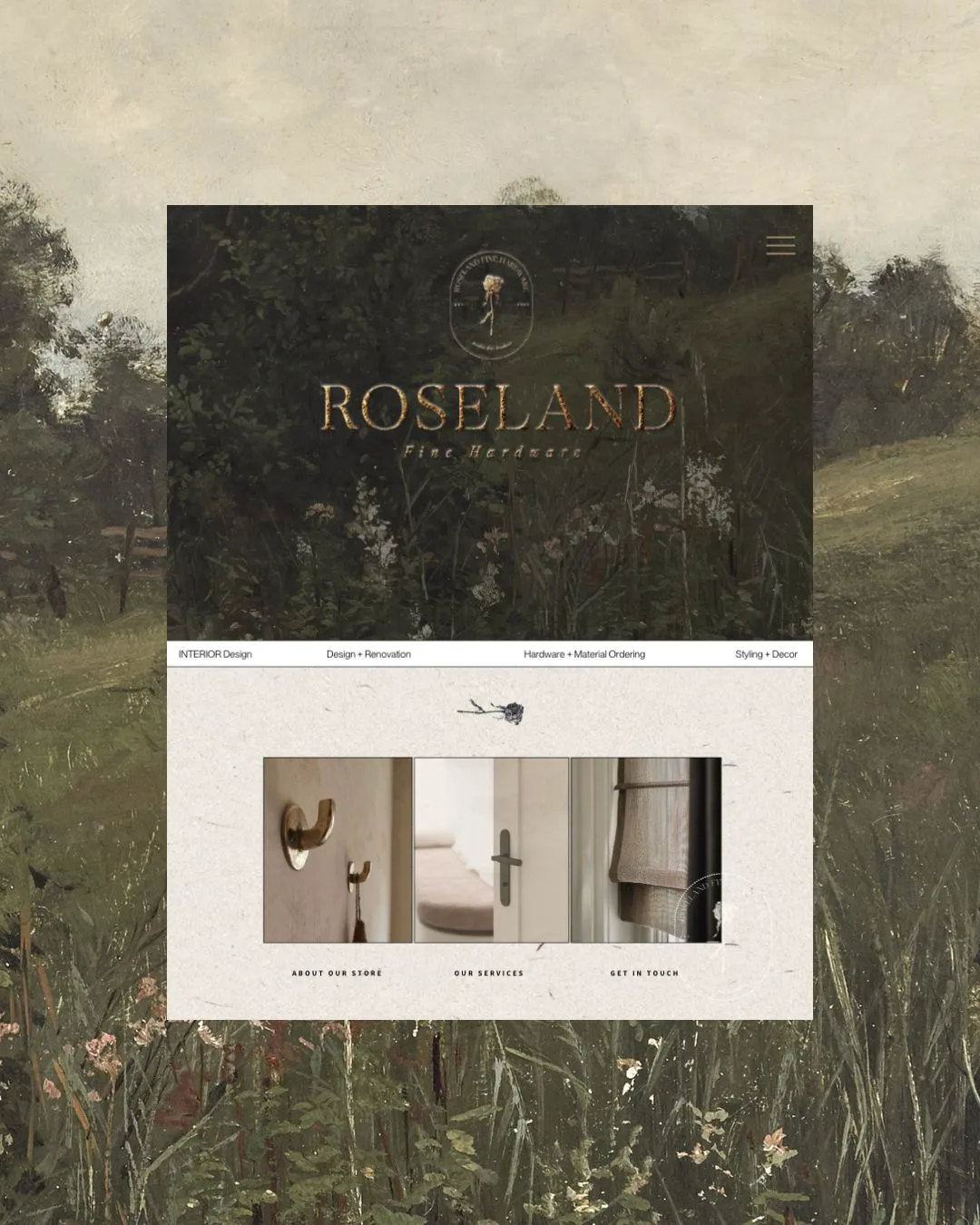
Most small business websites exist.
They load. They look reasonable. They have a logo, a services page, maybe even a contact form. And yet, month after month, they sit quietly on the internet, not bringing in clients, not building trust, not doing much of anything while you are over there working incredibly hard to keep your business alive.
Here is the thing. That is not a design problem. It is not a content problem. It is a strategy problem.
The brands that are growing steadily online have figured out something most small business owners have never been told. They are not just showing up. They are being intentional about every single element of their digital presence, and the results compound over time in ways that feel almost unfair.
So what are they doing? Let us get into it.
01. Their Website Works While They Are Working in Their Business
Think about your hardest-working team member. The one who shows up early, stays late, answers questions before you even have to, and makes every client feel confident before the relationship even begins. Now ask yourself: is your website doing that?
Successful small business brands treat their website as an active member of the team, not a digital business card that collects dust between referrals. Their website answers client questions before the sales call. It builds trust through carefully written service pages that speak directly to what their ideal client is already wondering. It qualifies leads through strategic calls to action so that by the time someone reaches out, they already know they want to work together.
This does not happen by accident. It happens because they have invested in clear service pages that explain not just what they do, but why it matters and who it is for. It happens because they have built a contact flow that makes it genuinely easy to say yes. And it happens because they pay attention to something most small business owners have never heard of: domain authority.
Domain authority is essentially your website’s reputation in the eyes of search engines. It builds over time through consistent publishing, quality content, and inbound links from other trusted sources. Brands that understand this use their website to steadily grow their authority in their niche, so that every new page they publish has a better chance of being found.
Your website should be earning trust around the clock, 24 hours a day, 7 days a week, before you ever say a single word to a prospective client.
02. They Make the Next Step Impossible to Miss
Here is something that trips up so many small business websites. Every page tries to do too much.
There is a menu full of options. A footer full of links. A homepage that asks visitors to read the blog, check out the portfolio, join the newsletter, and book a call, all at the same time. And when a visitor is asked to do everything, they do nothing.
Successful brands design each page around a single, clear action. Not three. Not five. One. Book a call. Read this post. Send a message. They understand that clarity is kindness, and that a confused visitor never converts.
But there is something even more powerful that high-performing brands do. They design their contact flow like a conversation. They do not just say “reach out” and leave visitors wondering what comes next. They tell them. “You will hear from me within 48 hours. Here is what our first call looks like. Here is what we will figure out together.” That level of specificity turns a curious visitor into a confident yes, because it removes the fear of the unknown.
People do not hesitate to reach out because they are not interested. They hesitate because they are not sure what happens next.
Try this: Add two or three sentences below your contact form that walk someone through exactly what to expect after they submit. What is your response time? What does your first conversation look like? Make saying yes feel like the obvious, easy, safe choice.
03. They Write Content Around What Their Clients Are Already Searching For
This is the one that changes everything, and it is also the one most small business owners get wrong.
Content marketing is not about sharing your opinions on the internet. It is not about showing your personality or documenting your journey or posting five things you love about autumn. That content might be lovely. But it is not bringing in clients, because no one is searching for it.
The titles that bring in clients are the ones people type into Google when they are anxious, confused, or trying to make an important decision. “Do I actually need a wedding planner or can I do this myself.” “What is the difference between a brand identity and a logo.” “How much does a custom website cost for a small business.” “Is hiring a business coach worth it.”
Those are the searches that come with intent. Those are the questions sitting in your inbox right now, asked by people who eventually become your clients. And every one of them is a blog post waiting to be written.
Successful brands take the time to figure out exactly what their ideal clients are already searching for, and then they answer those questions thoroughly, helpfully, and in their own voice. They do it consistently. And because of how search engines work, the results compound.
One well-written blog post, optimized for the right phrase, can bring qualified leads to your website for three years or more, without a single dollar spent on ads. That is the nature of organic search. It is slow at first, and then it is extraordinary.
The brands still posting only on social media are building on rented land. Every algorithm change, every platform update, every account glitch puts their visibility at risk. A blog post on your own website? That belongs to you. It builds your domain authority. It ranks. It works.
Try this: Write down the last five questions a client asked you before they decided to sign. Each one of those questions is a blog post. Each blog post is a door to your inbox that never closes.
04. They See Their Website as an Asset, Not an Expense
Let us talk about the number that stops a lot of small business owners in their tracks.
A custom website starts at a few thousand dollars. And when you are running a small business, that number can feel enormous. It can feel like a risk. It can feel like something to put off until things are more stable, more certain, more financially comfortable.
But here is how successful brands actually think about that investment.
They are not asking “can I afford this?” They are asking “what is this worth over three years?” Because a well-built website does not depreciate. It appreciates. It ranks higher over time as your domain authority grows. It builds trust at scale, with every visitor who lands on it. It works every single day without a monthly retainer, a salary, or a performance review.
The brands still operating on a website they outgrew two years ago are not saving money. They are losing it. In clients who clicked away because the site felt outdated. In trust that was never established because the copy did not speak to the right person. In opportunities that quietly went to someone else whose website made saying yes feel easy.
A website is not a one-time cost. It is a long-term investment in how your business shows up in the world, and for the right business, it pays for itself many times over.
Try this: Calculate what your average client is worth over their entire relationship with you. Divide your website investment by that number. That is how many conversions you need to break even. For most small business owners, that number is smaller than they think, and the timeline shorter than they expected.
So what does it all look like, tied together?
What separates the small business brands that grow steadily online from the ones that stay stuck is not luck, and it is not a bigger budget. It is strategy. It is intention. It is understanding that a website is not a brochure. It is a system.
When your website works around the clock, when your contact flow removes friction, when your content answers the questions your clients are already asking, and when you see your digital presence as the asset it truly is, everything changes. You stop chasing. You start attracting.
And that is a very different way to run a business.
Ready to Build a Website That Actually Works for You?
If you read through all four of these and felt the quiet recognition of “yes, this is exactly what is missing,” you are in the right place.
At The Good Canvas, we build custom WordPress websites for small business owners who are ready to stop guessing and start growing with intention. We bring together thoughtful strategy, beautiful design, and content built to be found, so your website becomes the hardest-working member of your team.
GUIDES AND RESOURCES
- How to Optimize Your Site – Step by Step
- Free Branding Kit Template
- How To Index Your Website With Google
RELATED READS
- Five Website Updates That Will Help You Attract More Clients
- How To Stop People Pleasing In Your Business: The Art of Saying No
- The Three Most Important Elements in Branding and Web Design

ABOUT THIS POST
This post is written by Donata Delano – A Web Designer, Professional Artist and Architect based in Burlington, Canada. She specializing in visual communication and web design, creating branding solutions and websites that are thoughtful, unique and aesthetically pleasing.