Branding Photoshoot Ideas for Service Businesses: On What a Photograph Doesn’t Say
A photograph of a service business is a strange object, if you think about it for a moment. There’s nothing in it to buy. The thing being sold is an hour of someone’s attention, or a room made calmer, or a problem taken off a person’s hands, and none of that can be put on a table and lit. So the photograph is always standing in for something it can’t show, and what it’s really transmitting is tone. How this person moves through a room. How much air there is around her. Whether she seems to be in a hurry.
People read that in well under a second, long before they read a word of your copy, and they’re rarely wrong. Which is why I’ve come to think the most important decisions in a branding shoot aren’t about what to include. They’re about what to leave out.




Painting taught me this before design did
In painting, the hardest discipline is not adding. Every student wants to fill the canvas, to show all of it, to prove effort. It takes years to understand that the part of a painting that makes you feel something is usually the part that was left alone: the passage where the ground shows through, the edge that was never resolved, the quiet area that gives the busy area somewhere to be busy against. A painting with no quiet in it has no loud in it either. It’s just full.
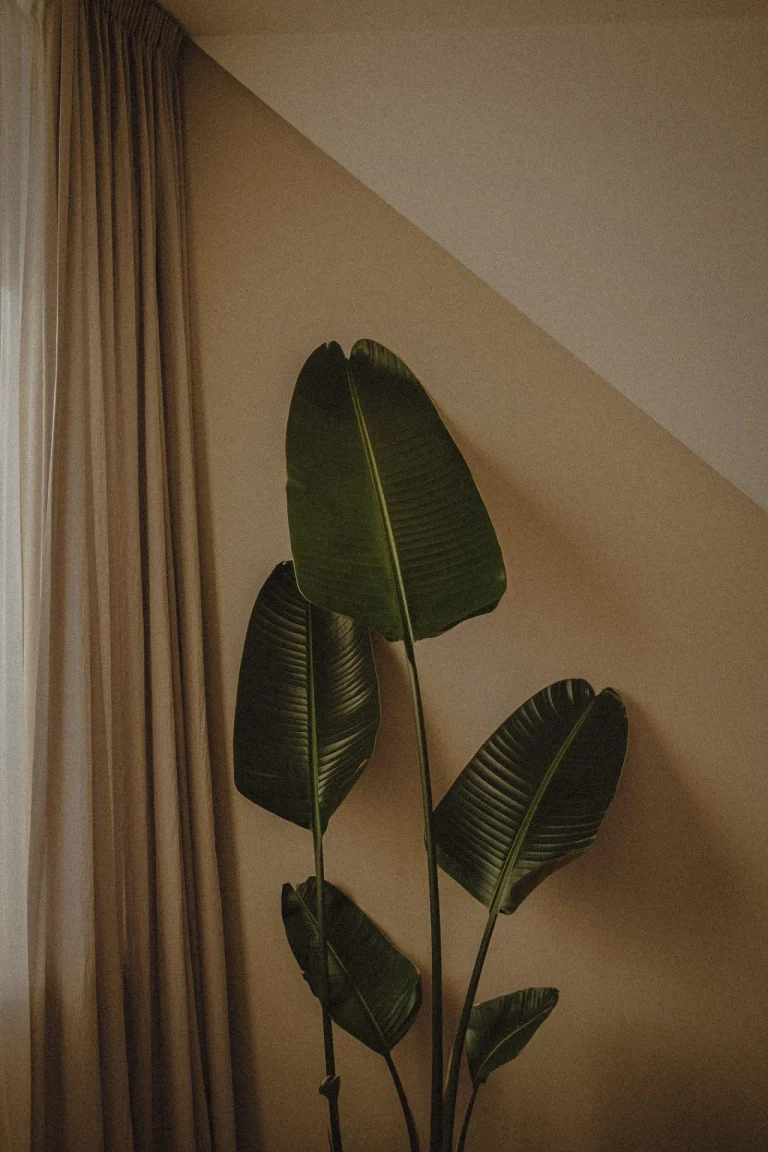
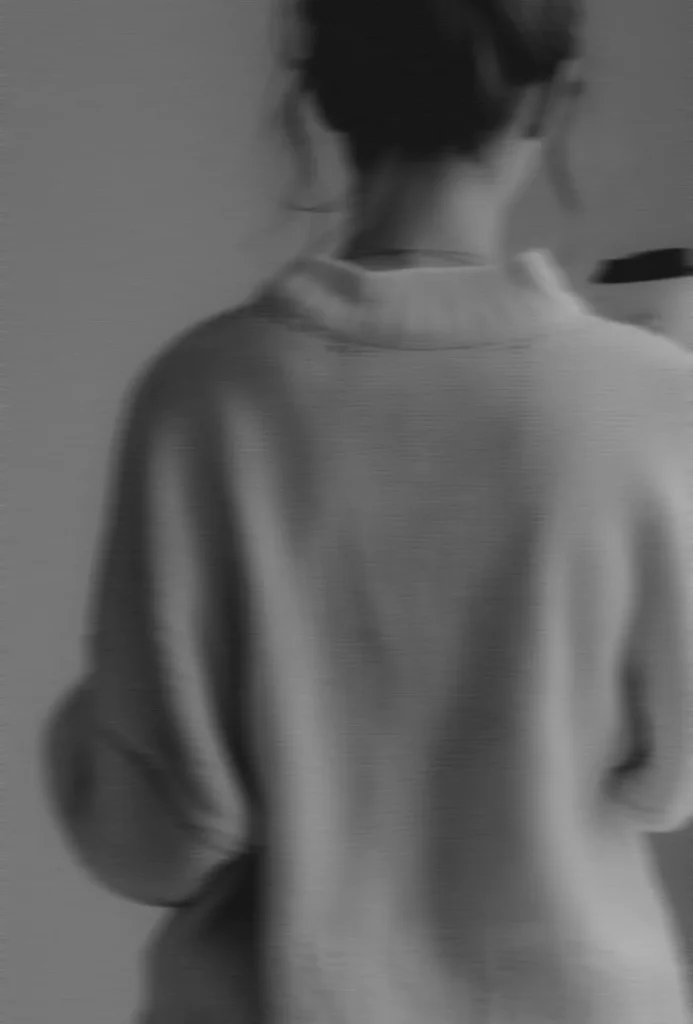
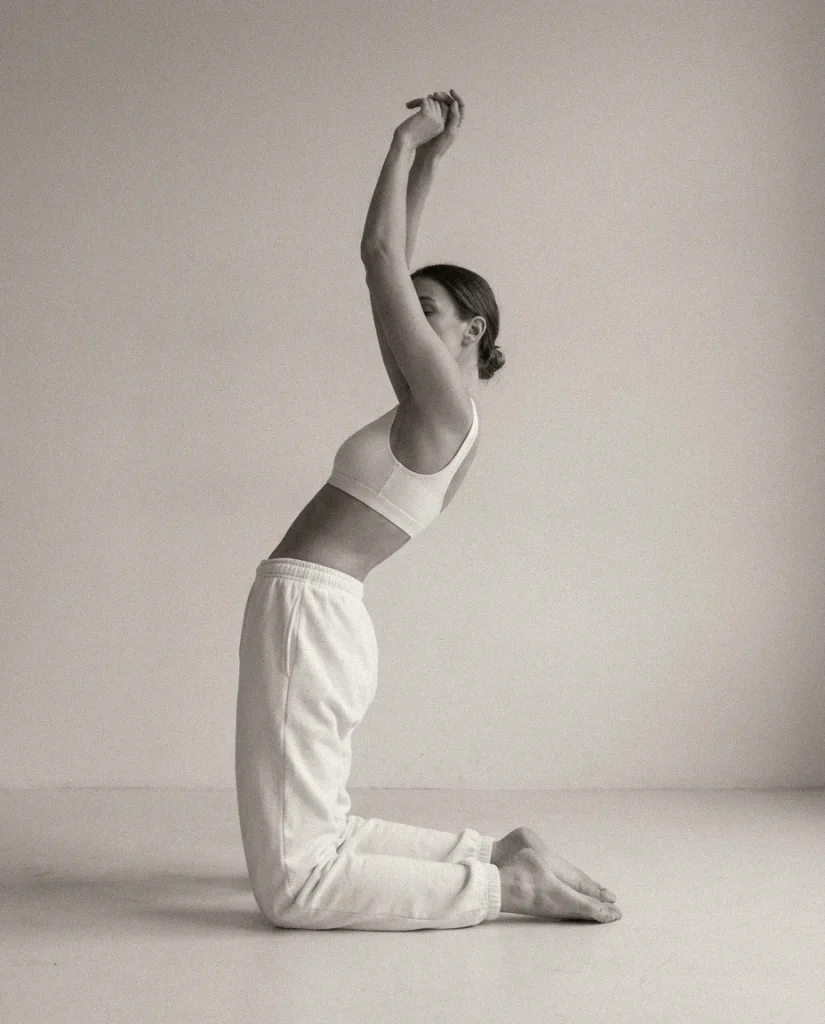
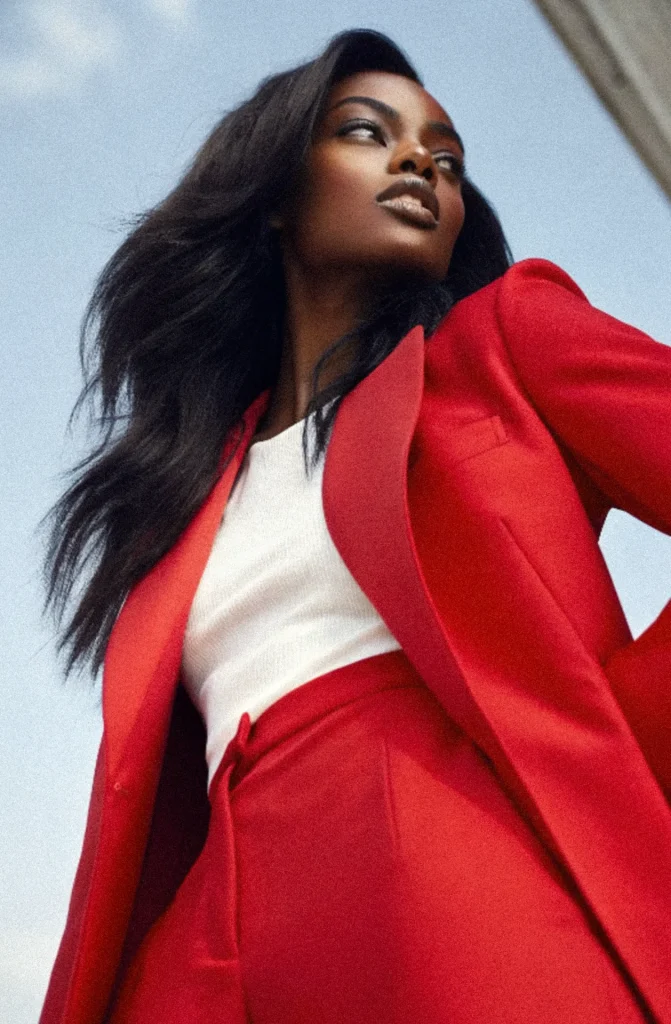
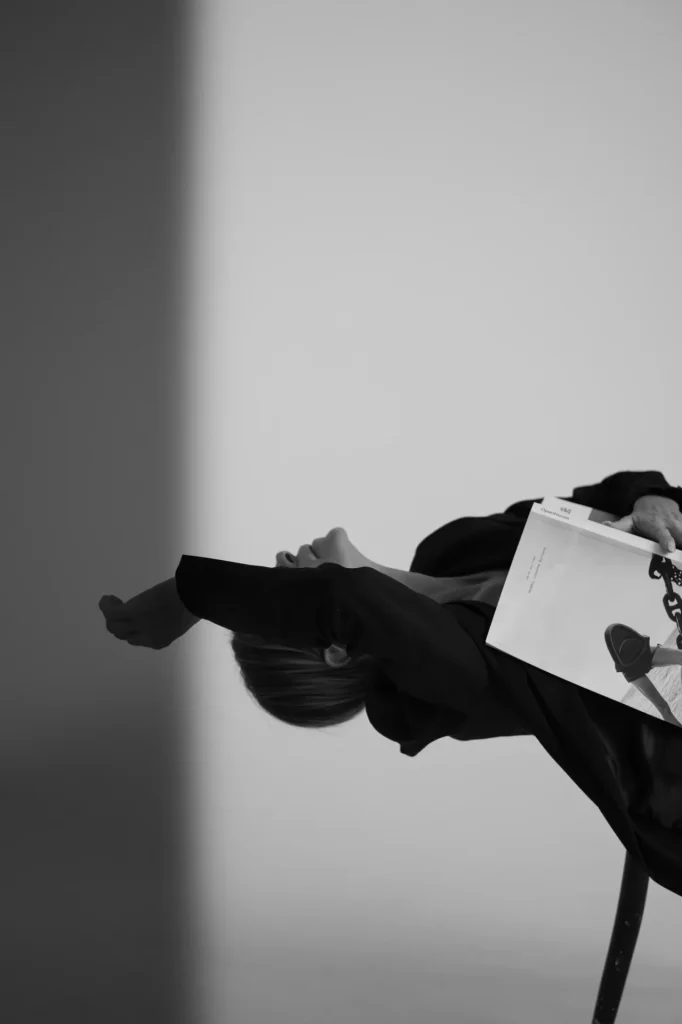
Photographs for a business work the same way. The ones that feel expensive, calm, and trustworthy are almost never the most complete. They’re the ones with room in them. A hand and a sample and a lot of wall. A doorway with the light on the floor and nobody in it yet. Your profile, out of focus, behind the thing you’re looking at. The subject of the image is often the space around the subject.
So the first idea I’d offer for your shoot is to decide, before anything else, what you’re not going to show. The full face in every frame. The logo in every frame. The laptop. The coffee held at chest height like a prop. The “working” pose where you’re typing nothing. Each of those is a small declaration that you’re performing your business for the camera, and people feel the performance even when they can’t name it.
Natural is not the same as spontaneous
Everyone asks for natural photographs and almost nobody gets them, and I think it’s because we’ve confused natural with unplanned. The two have very little to do with each other.
A natural photograph is one where the person has stopped managing how she looks and started doing something real. That requires more planning, not less, because you have to build a shoot in which there is actually something real to do.
So don’t plan poses. Plan tasks. Not “stand by the window” but “sort the fabric samples by weight.” Not “look at the camera and smile” but “read the first paragraph of the brief out loud and tell me what’s wrong with it.” Not “hold the product” but “do the thing you do with it, slowly, and don’t stop when you think the photo’s been taken.” The camera finds you in the middle of the task, and the middle of a task is where people look like themselves.
The other thing that makes an image natural is time. The first ten minutes of every shoot are stiff and the last ten are often the best, because by then you’ve forgotten to hold your face. If you can only afford a short session, use most of it on one or two real activities rather than ten locations. Depth photographs better than variety.
And let the imperfect frames in. The one where you’re mid-sentence. The one where the light is slightly wrong but your hands are right. A brand made entirely of resolved, symmetrical, well-lit images reads as a brand with something to hide. One or two frames that breathe tell the viewer there’s a person here, and a person is what she’s trying to hire.
A shoot is a vocabulary, not a portrait session
I’ve started asking clients to think of their photographs as a set of words they’ll be writing with for the next two years. A website needs a different image at the top than it does halfway down. A newsletter header is a strip. A post is a square. A story is tall and quick. A testimonial wants a quiet image beside it so the words can carry. If every photograph from your shoot is a medium close-up of you, centered, you have one word, and you’ll be saying it for two years.
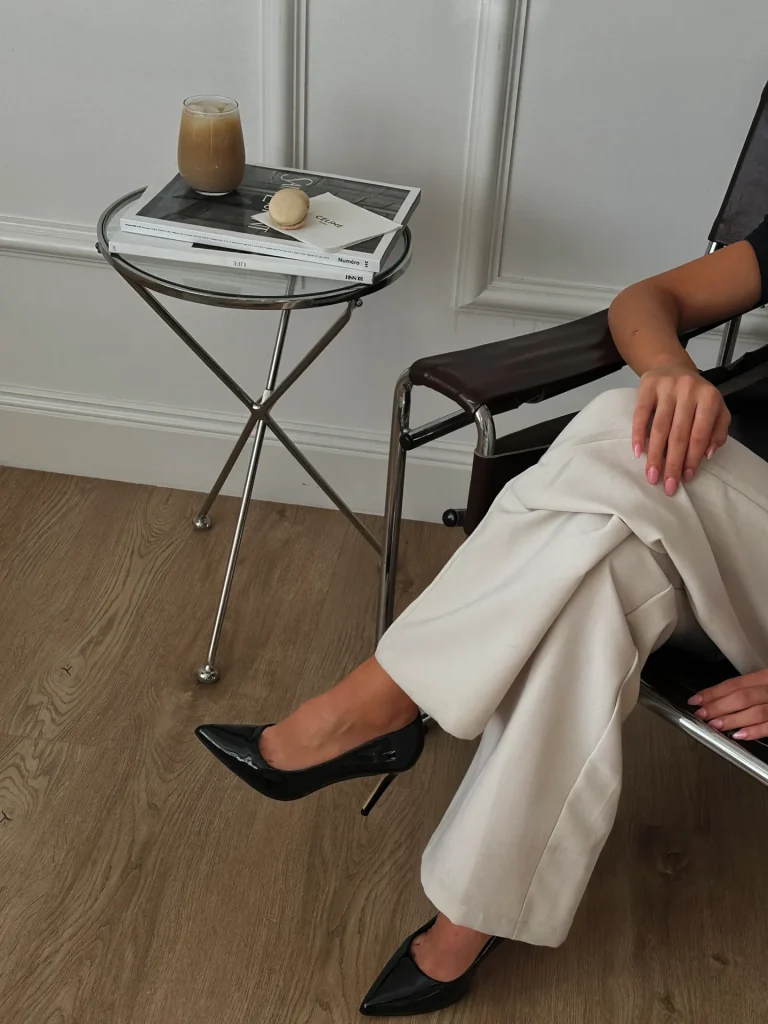
The vocabulary a service business actually needs is something like this. Wide and empty: the room, the street, the desk before the day starts, the frames that take a headline. Close and tactile: hands, materials, tools, texture, the frames that say this is how she works. In between: you, doing the task, not quite looking at the lens. And a very small number of direct portraits, because they do matter, for the About page and the proposal and the moment someone wants to see your face before they book.
Within that, a thread. One colour that recurs across the day. One object that shows up in several frames. The same window shot in morning and late afternoon. A set of images that share a thread reads as a brand. A set of images that are each individually beautiful reads as a stock library, however lovely they are.
The things that photograph better than you’d expect
Your handwriting, on anything. The view from where you sit, not the view you’d choose for a client. A tool that’s been used. The empty chair across from yours. The specific, unglamorous act of preparation: wiping something down, setting something out, checking a list. Your coat on the hook. The thing you’ve kept since the beginning. The in-between faces, the one just before the smile and the one just after, which are nearly always more interesting than the smile.
And the thing you almost didn’t bother to photograph, which is usually the image you keep. For me it was my hands resting on a stack of brand boards at the end of a long day, no face, no logo, which has outworked every portrait I’ve ever had taken. It’s not a picture of me. It’s a picture of how I work. For a service business, that is the whole product.
What I’d keep in mind
If there’s one idea here, it’s that a photograph of a service business is a piece of tone, and tone lives in restraint. The space you leave. The face you don’t show in every frame. The task you’re doing instead of the pose you’re holding. The thread that runs through forty images and makes them one voice.
Plan the shoot for the photograph you’ll almost forget to take. Then use every frame, in the mockups, the site, the templates you touch every week, because the shoot is the expensive part and the using is free, and the using is where most people leave the value on the table.
If the brand underneath your photographs isn’t quite ready yet, that’s where we come in. Tell us about your business and we’ll make sure the identity is in place before the camera comes out. And if you need the photographer, Charlene Arianna is who I’d call.
Thinking about elevating your own brand? The thing that makes you unforgettable is already there. Let’s build it together.
GUIDES AND RESOURCES
- How to Optimize Your Site – Step by Step
- Free Branding Kit Template
- How To Index Your Website With Google
RELATED READS
- How to Improve Your AI Visibility With One Simple Website Update
- Inside the Studio: What Actually Happens When We Design a Brand
- Your Homepage Has 7 Seconds. Here’s How To Make Them Count.

ABOUT THIS POST
This post is written by Donata Delano – A Web Designer, Professional Artist and Architect based in Burlington, Canada. She specializing in visual communication and web design, creating branding solutions and websites that are thoughtful, unique and aesthetically pleasing.