Careers for Creative Introverts: A Reflection, Five Years Out
I decided to be an architect when I was thirteen. I remember the certainty of it more than the reason. Twenty years later I was in a very good firm, with people I respected and hours that were nothing to complain about, and I had a feeling I couldn’t name sitting under everything. Not unhappiness exactly. More like being slightly out of tune with the room.
I assumed it was me. I was always in my head, I told myself. I was never satisfied. Other people seemed to light up in the review, in the pin-up, in the long meetings where an idea got argued into shape. I sat through those things carefully, said what I needed to say, and left tired in a way the work itself never made me.
It took me an embarrassingly long time to see that the problem wasn’t the profession. It was the shape of it. Open offices. Design by committee. Every thought defended out loud before it had a chance to become anything. That environment doesn’t ask for what an introvert is good at, so eventually you stop offering it.
I left five years ago and built a small brand and web design studio. I still make things all day. I just make them in a way that fits how I’m wired. I get asked about this more than about anything else I do, usually in a quiet message from someone in the middle of their own version of it, so I wanted to write down what I’ve learned since. Less a list of quiet jobs, more the letter I would have wanted at thirty-three.
The thing nobody says about “jobs for introverts”
Every article on this subject promises careers with no people in them, and every one of them is lying a little. There are clients in almost everything worth doing. There are collaborators, editors, printers, an audience.
What actually matters is how the people arrive.
The work that has suited me has three qualities, and I’ve come to look for them everywhere. Long stretches of uninterrupted making. Interaction that comes in small, scheduled doses I can see coming. And output that speaks for itself, so I’m judged on the thing I made rather than on how convincingly I presented it in a room.
If you hold a career up against those three, the job title stops mattering quite so much. A quiet-sounding job with a loud culture will drain you. A client-facing job where the clients come one at a time, by email, with weeks of silence between, might be the best thing that ever happened to you.
The Designers
This is where I ended up, so I’ll start here.
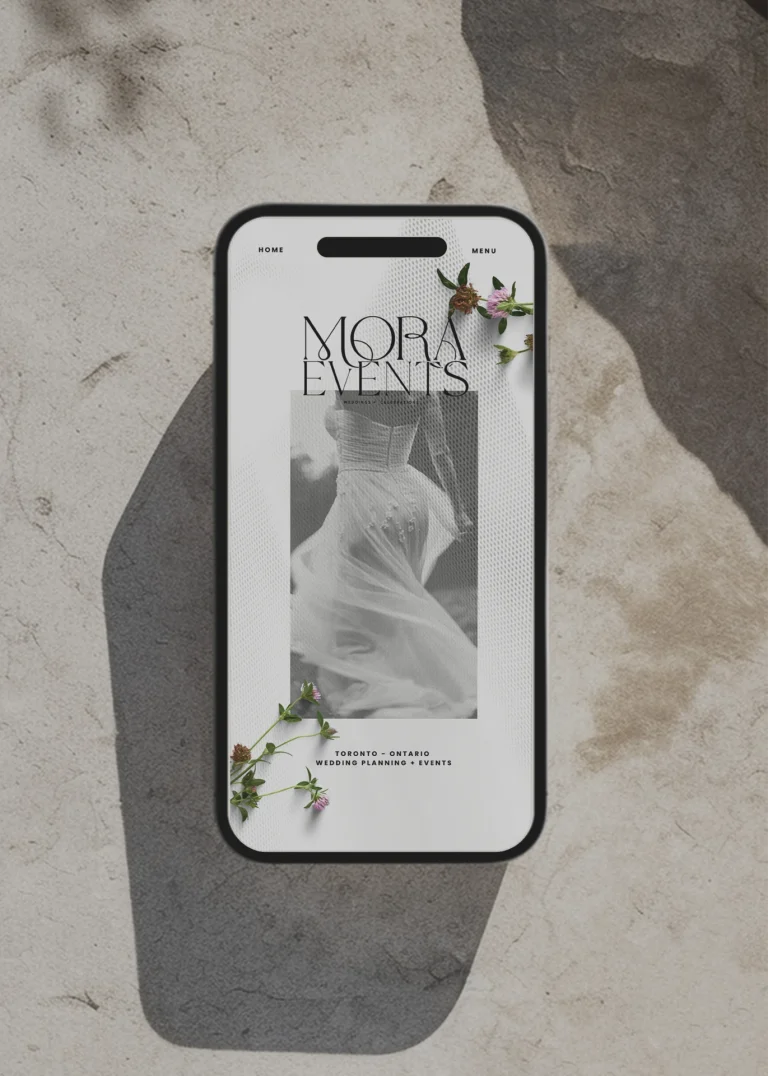
Brand design is most of my week now. Someone comes to me with a business that doesn’t yet know how to describe itself, and I give it a language: identity, colour, type, the way it sounds when it speaks. The work is solitary in the middle and collaborative at the edges. A discovery call, a presentation, a round of revisions, then weeks of quiet. I understand people better than I perform for them, and this work rewards exactly that.
Web design sits right beside it, with more structure and more problem solving. Hierarchy, flow, how a person moves down a page. I hadn’t expected my architecture training to transfer so completely. It turns out a website is a floor plan you walk with your eyes. Client contact is moderate and mostly written, and the technical side, which frightens people, is learnable alone at your own pace, which is the only way I’ve ever learned anything well.
UX design is the cousin that went to work in-house. It’s about whether a thing works for the person using it, and it involves a lot of thinking about other people’s behaviour without necessarily talking to them all day. It’s one of the more secure creative paths right now. The caution is that most of these roles live inside companies, and a company is a culture before it’s a job. Look hard at the room before you say yes.
And then interior design, which I include with some tenderness because it’s so close to where I came from. The design work is wonderful for a mind like ours: space, material, light, hours of quiet decisions. But residential interiors means being in people’s homes, managing trades, and having more conversations about money than you’d imagine. Many of my clients are interior designers, and the ones who seem happiest have built their practices so that a good share of the work is virtual and the in-person part is chosen, not constant.
The Writers
I didn’t think of myself as a writer when I left architecture. I do now, and I think a lot of creative introverts are writers who haven’t given themselves permission.
Technical writing is the most underrated career on this page. Turning something complicated into instructions a person can actually follow. It’s well paid, heads-down, and almost entirely free of performance. If you’re the one who rewrites the assembly instructions because the official ones are unusable, that instinct is a profession.
SEO content writing is what I offer clients and what I’m doing right now. Blog posts and website copy built to be found. It’s craft with a thin layer of science, and it rewards patience and the willingness to sit with a subject longer than most people will. It’s also one of the easiest creative careers to begin on the side of another one, which matters when you have a mortgage and a thirteen-year-old’s promise to unmake.
Copywriting is louder, but only slightly. Headlines, sales pages, emails. More back and forth about tone and intent, still a desk-and-closed-door job. Introverts tend to be very good at it for the simple reason that we listen more than we talk, and copy that works is almost always copy that listened first.
The Image Makers and Makers
Illustration is as close to pure making as commercial work gets. Editorial, books, packaging, brands. The client relationship lives in email and the rest of the time you’re drawing. Income is uneven in the early years and settles as your style becomes recognizable. If you’ve spent your life being told you should do something with your art, this is the something.
Photography surprises people. The shooting day is social, sometimes intensely so. Every other day is quiet: culling, editing, retouching, building galleries. The trick is choosing a niche with your energy in mind. Branding and product work involve fewer people and calmer days than weddings, and nobody tells you that when you buy the camera.
Video editing has become one of the quietest well-paid creative jobs there is. Someone else films; you shape it. Pacing, rhythm, sound, colour. Short-form video pushed demand up and most of the work is remote by default. If the editing was always your favourite part of the school project, start there.
Making, in the broad sense, is a life I admire. Furniture, ceramics, jewellery, leather, anything made by hand and sold. The workshop is your whole world and selling happens in writing rather than in person. The trap is under-marketing because visibility feels loud. The makers who last treat their photography and their website as part of the craft, not an interruption to it.
And art itself. I paint. It’s the most restorative work I know and the hardest to live on directly, and both of those things are true at once. Most working artists I know layer it: teaching, commissions, licensing, a design practice alongside. Don’t let anyone talk you out of it. Don’t pretend the business side isn’t there.
Which leaves the wide-open one. Blogging, or whatever we’re calling it this year. Writing, designing, photographing, publishing, all under your own name. It’s the most independent path on this page and the slowest to pay. The people who make it work treat it as a business from the first post: a niche, a website they own, an email list. Never build the whole house on someone else’s land.
What’s different now
Two things have shifted since I first wrote about this, and both matter if you’re deciding today.
Remote work stopped being a favour and became the default in nearly all of these fields. For introverts that’s quietly enormous. The open office, the thing that finally pushed me out, is optional now in a way it simply wasn’t when I was thirty-three.
The other is AI. I use it every day in the studio and I’d rather be honest about what I’ve seen than reassuring. Work built on volume and sameness, the generic copy, the template design, the mechanical edit, is under real pressure. Work built on judgment, taste, and understanding one specific person or business is not. If anything, it’s worth more, because the gap between adequate and considered has never been easier to see. Choose the version of your career that requires you to think. That was always the better choice. Now it’s also the safer one.
On actually choosing
People ask me which one is best, and I understand the question, but the answer is always the same. The best creative career for an introvert is the one where the people part is predictable and the making part is long. For most of us that points at design, writing, or illustration, but it’s the shape you’re choosing, not the label.
You don’t need a personality test. You need to notice three things over the next few weeks. Where your energy goes after a good day and after a draining one. What kind of interaction leaves you fine and what kind leaves you flat for the evening. And when you picture the work itself, the ordinary Tuesday afternoon of it, which one makes you want to begin.
Then pick the one that answers all three, and pick the version of it with the least unnecessary noise. You don’t need a degree for most of them; a portfolio and evidence you can deliver will carry you further. Everything else is learnable, and introverts are very good at learning quietly.
If you’re somewhere inside this decision, I write about it, and about building a creative business slowly and on purpose. The newsletter is where those letters go.
Where I ended up
For twenty years I believed the discomfort was mine to fix. That if I could be a little louder, a little quicker to defend an idea in a room, the career I chose at thirteen would finally settle into place.
It never did, and it turns out it was never supposed to. The fit was on the other side, in work built around how I already am. If you’re a creative introvert wondering whether the problem is you, it almost certainly isn’t. It’s the shape of the work. And the shape can be changed.
If the change you’re planning is a creative business of your own, the first two things you’ll need are a brand that sounds like you and a website that works while you’re heads-down. That’s what we do at The Good Canvas. Tell us what you’re building.
Join The Good Canvas
Looking to hire a brand or web designer for your business?
Book a free discovery call where we can have a chat, learn about your business and answer any questions you may have.
GUIDES AND RESOURCES
- How to Optimize Your Site – Step by Step
- Free Branding Kit Template
- How To Index Your Website With Google
RELATED READS
- Five Website Updates That Will Help You Attract More Clients
- How To Stop People Pleasing In Your Business: The Art of Saying No
- The Three Most Important Elements in Branding and Web Design

ABOUT THIS POST
This post is written by Donata Delano – A Web Designer, Professional Artist and Architect based in Burlington, Canada. She specializing in visual communication and web design, creating branding solutions and websites that are thoughtful, unique and aesthetically pleasing.